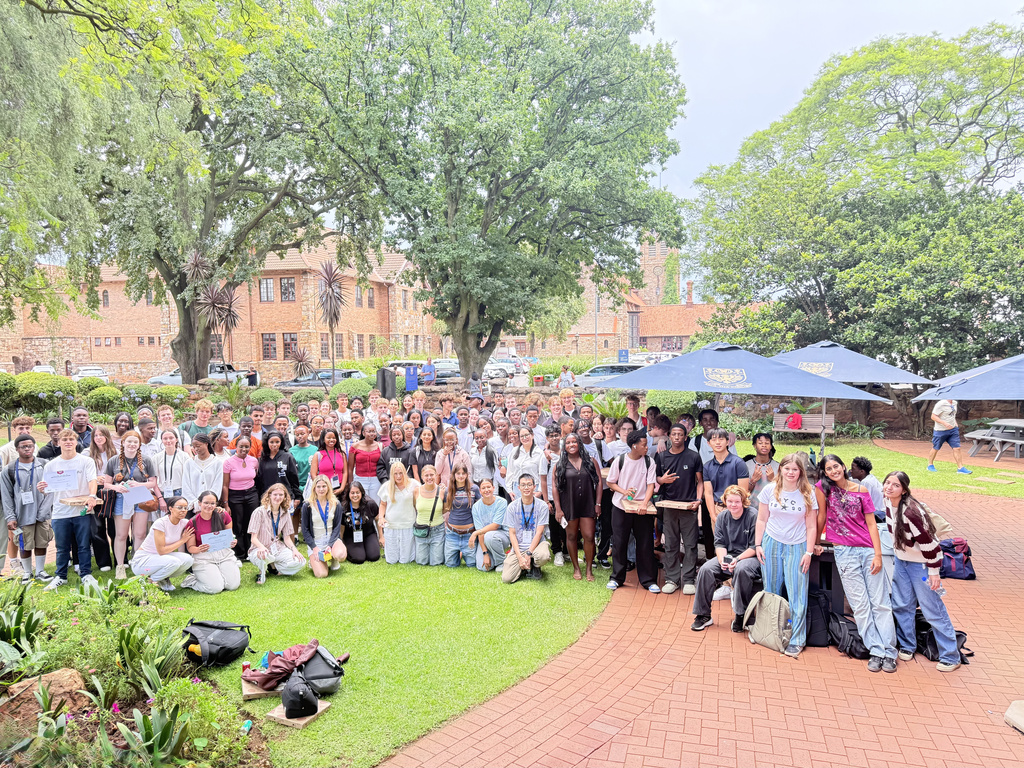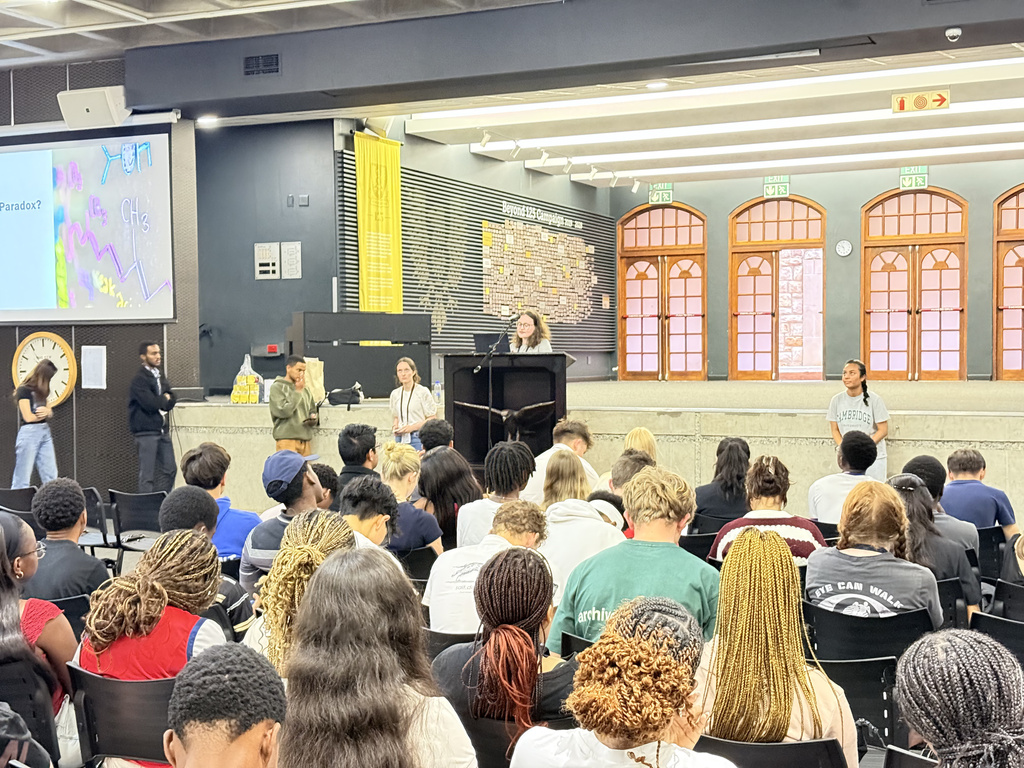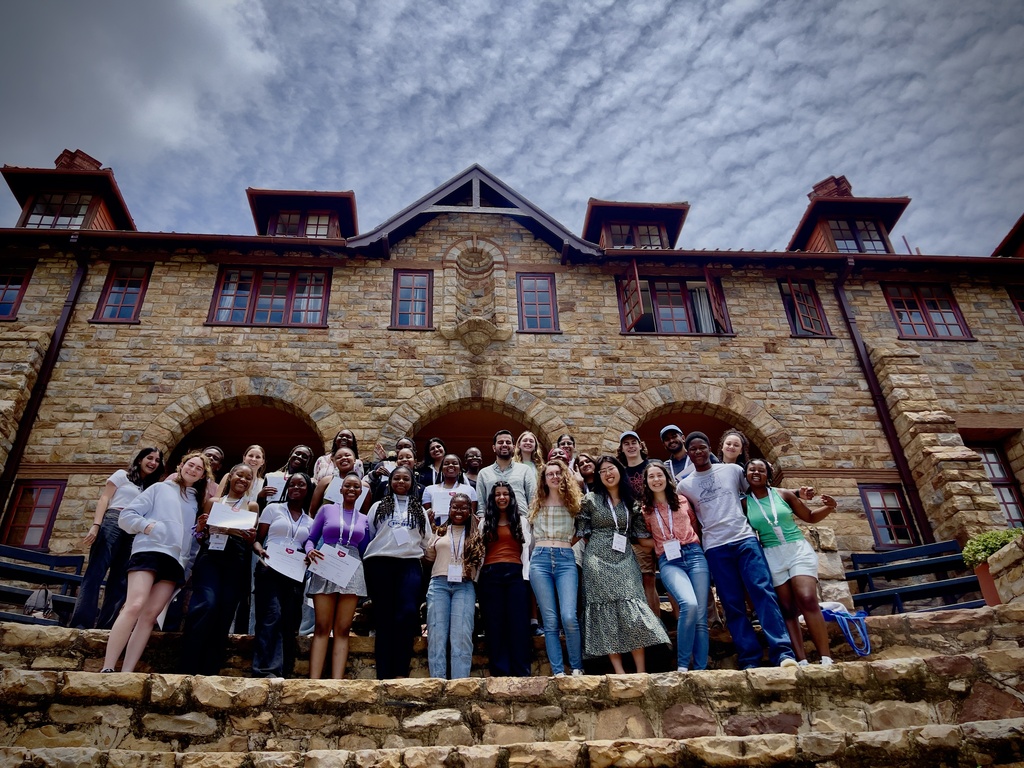
One hundred and twenty students from across Southern Africa gathered at St John’s College this January for an immersive week exploring quantum physics with MIT postgraduate researchers. The annual ISASA | MIT | St John’s College Mathematics and Science Programme took place from 5 to 9 January 2026.
The seminar, which has been hosted at St John’s College since 2019, is a collaboration between ISASA and postgraduate students from the Massachusetts Institute of Technology (MIT) in the United States. Its purpose is to expose high-performing high school students to university-level science and raise awareness of current developments in global scientific research.
Originally established as a girls-only initiative by our sister school, St Mary’s Waverly, the seminar has since evolved while maintaining its core focus on access and academic exploration. “Over the years, the programme has evolved significantly in both scope and ambition. Each iteration has moved further towards exposing students to cutting-edge scientific thinking, linking theoretical concepts to real-world applications and emerging technologies,” said Mr Rod Macdonald, Head of Physical Sciences and seminar facilitator.
Each year, MIT postgraduate students design and deliver an intensive seminar series that introduces participants to advanced scientific concepts while offering insight into the expectations of tertiary study and research careers. This year’s focus was quantum physics and computing. In attendance were 120 students from 73 ISASA-affiliated schools across Southern Africa, including 16 Johannians. St John’s was represented by Ethan Beira, Oliver Bouilliart, James Brady, Cade Cloete, Ulrich Fey, Samuel Gomes, Boyan (Eric) Han, Josh Heeger, Mohammed Zaeem Mayet, Tshiamo Kopano Modise, Rayan Moodley, Aphiwe Ndhlovu, Ryan Osler, Oskar Stahljans, Madimetja Tema, Nathan Teper and Rudolf van der Merwe.
“The seminar is open to ISASA-affiliated schools across Southern Africa, and students are selected based on strong performance in Mathematics and Physical Sciences, as well as their academic curiosity and commitment. This ensures that participants are well prepared to engage meaningfully with the advanced scientific concepts presented during the week,” said Dr Nkosiphile Behbhe, College Physical Sciences teacher and seminar facilitator.
The seven MIT postgraduate students who designed and delivered the week’s sessions guided participants through superposition, quantum entanglement, quantum algorithms, and the growing influence of quantum computing on cybersecurity, artificial intelligence and global financial systems. Students worked through problems that required them to think probabilistically rather than deterministically, a fundamental shift from classical physics.
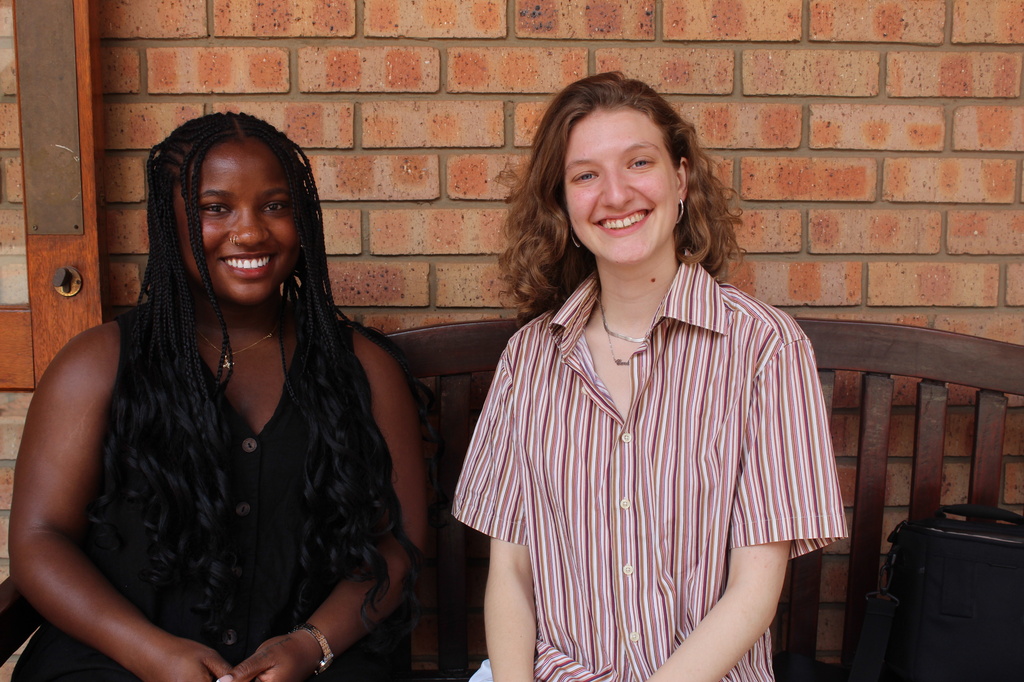
Ayana Lang, a third-year PhD student in Chemistry at MIT and one of the seminar’s lead coordinators, emphasised the importance of accessibility and inspiration: “One of my main hopes is that students see how many opportunities are available to them, and that they realise we are just normal people. MIT can feel like a daunting place, but it’s a daunting place filled with normal people. If we can do it, they can do it too.” She also praised this year’s group, describing them as particularly motivated and engaged: “Their questions were direct, thoughtful, and very high-level. This group has been incredibly impressive.”
Carletta Barron, a second-year Master's student in the Technology and Policy Programme specialising in Research and Physics, highlighted the collaborative design process: “We were given a broad brief to introduce students to quantum science. Each instructor brought their own expertise, and together we built a programme that flowed across the week and encouraged curiosity and engagement.” A key highlight came at the end of the programme, when students reversed the classroom model and delivered group presentations on quantum topics of their choosing, from paradoxes to emerging technologies. “Their 10-minute presentations went very well; they demonstrated conceptual understanding,” said Barron.
Reflecting on the week, Mr Macdonald shared that many students approached concepts that would challenge university undergraduates with genuine curiosity. “Many of the concepts were abstract and intellectually demanding, yet the students approached them with curiosityand a genuine desire to understand.”